FDA Approves Expanded Use of Ibrutinib for Chronic GVHD

Ibrutinib, a BTK inhibitor commonly used to treat lymphoma types like chronic lymphocytic leukemia (CLL) and mantle cell lymphoma, has been approved by the United States Food and Drug Administration (FDA) for treatment of adults with chronic graft versus host disease (cGVHD).

Ibrutinib Pills in Hand

GVHD can occur following a stem cell or bone marrow transplant from a related or unrelated donor, also known as an allogeneic transplant. When the immune cells from the graft (donor) are infused into the body of the host (patient), they may recognize the host’s native cells as foreign and try to destroy them. While some cases of GVHD are life threatening, chronic cases tend to generate to more mild symptoms, like dry eyes and mouth, fatigue, and muscle weakness and stiffness.

Ibrutinib becomes the first FDA-approved treatment of cGVHD following clinical trials demonstrating durable safety and effectiveness in patients whose symptoms were resistant to prior corticosteroid treatment administered for immune system suppression.

Global Collaboration: Lymphoma Researchers Attend Workshop at Shanghai Institute of Hematology

In early July, several researchers from the Weill Cornell Medicine/NewYork-Presbyterian (WCM/NYP) Lymphoma Program traveled to Shanghai, China to participate in the first Lymphoma Research Workshop, jointly sponsored by WCM/NYP and Shanghai Institute of Hematology (SIH). The workshop aimed to foster clinical and translational research exchange and collaboration, with the goal of further global alliance with leading Chinese institutions.

Our own Drs. Leandro Cerchietti, Peter Martin, Ari Melnick, Kristy Richards, and Jia Ruan were in attendance. Drs. Melnick and Ruan co-organized the workshop with Drs. Saijuan Chen and Weili Zhao from SIH. SIH and its affiliated Ruijin Hospital (RJH) is a leader in human genomics and lymphoma research in China.

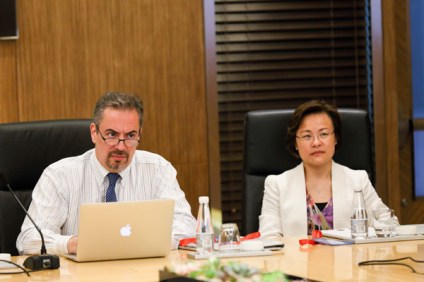
RuanMelnickShanghai
Dr. Ari Melnick (Left) and Dr. Jia Ruan

Dr. Melnick began by introducing the lymphoma research missions at WCM/NYP and provided an overview of our translational program, which integrates state-of-the-art genetic, epigenetic, and proteomic approaches to study lymphoma pathogenesis and inform development of mechanism-based therapeutics.

Dr. Zhao followed with a review of the recent lymphoma program developments at Ruijin Hospital, which focuses on building a multi-disciplinary diagnosis and treatment team. RJH’s translational development has been aimed at building a lymphoma biobank, next-generation sequencing, system biology, and biomarker investigations to support clinical research.

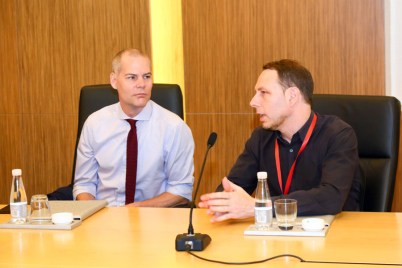
MartinCerchiettiShanghai
Dr. Peter Martin (Left) and Dr. Leandro Cerchietti

On the project level, Dr. Cerchietti discussed bench-to-bedside translation of epigenetic modifying agents, such as novel treatments that sensitize chemotherapy responses in patients with diffuse large B-cell lymphoma (DLBCL). Dr. Martin then provided a comprehensive overview of the management approach for DLBCL in the U.S., reviewing important study design and findings of DLBCL clinical trials that incorporated novel agents, including epigenetic modifiers. Dr. Richards spoke about promises and challenges in canine lymphoma research in both the disease and drug development models.

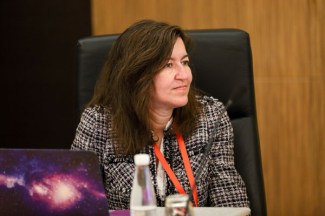
RichardsShanghai
Dr. Kristy Richards

Additionally, Dr. Pengpeng Xu from RJH presented preliminary data of a phase 1 study using an epigenetic hypomethylating agent in combination with chemotherapy for DLBCL patients. This joint clinical project developed from the two institutions’ shared translational interest and expertise in exploring therapeutic potential of epigenetic agents in lymphoma.

Drs. Ruan and Melnick concluded the workshop by thanking the hosts at the Shanghai Institute of Hematology and Ruijin Hospital for their gracious hospitality. Faculty from both institutions are impressed by the progress of the ongoing collaboration and support further development of translational and clinical projects in the future, including academic exchange and joint translational and clinical trials.


Celebrating Freedom From Cancer

This Fourth of July holiday, we’re not only celebrating the red, white and blue that honors the independence and freedom of our country, but also freedom from cancer and the cancer “blues.” Feeling this sense of freedom may mean that you’re cancer-free or that you’re unwilling to let a cancer diagnosis define you.

Manhattan fireworks show

To be cancer-free means that tests show no evidence of any cancer remaining in the body, a term coined “complete remission.” In some cases, it is possible to complete treatment but still have some evidence of the cancer. This is called “partial remission.”

At Weill Cornell Medicine and NewYork-Presbyterian Hospital, many of our patients and their families experience a wide range of emotions during and after cancer treatment. Often, freedom from cancer is both something to celebrate and something that comes with an air of caution. That’s because the joy of being cancer-free may be accompanied by fear that the cancer may return.

Some cancers can and do come back after treatment. This is called “recurrence.” Recurrence can depend on several factors, including the type of cancer, whether it has spread from the original source and how the cancer responded to treatment. While there is no foolproof way to keep cancer from coming back, there are many things you and your healthcare team can do to monitor what’s going on in your body.

You may feel differently than you did before treatment, both physically and mentally. And that’s okay. It’s important to be in tune with your body and your new normal so that you can be mindful of any bodily changes.

It’s also important for cancer patients and survivors to lead a healthy lifestyle. This includes eating a healthy diet, being physically active (under the supervision of your healthcare team), and regularly following up with doctors’ appointments and routine medical tests. Cancer survivors can live very long and full lives, so routine medical tests and appointments aren’t limited to following up with your oncologist and getting scans and imaging tests. It’s important to also get regular physical exams and monitor other markers for diseases such as cholesterol, diabetes, high blood pressure and heart disease.

Routine follow-up tests may also identify the recurrence of cancer even before symptoms develop. Since cancer can come back in the same part of the body or in another part of the body, signs and symptoms may differ from those involved with your original diagnosis. For instance, an increase in fatigue, the development of new pain or worsening of existing pain, weight loss, and other changes in the way you feel should be discussed with your physician.

This Independence Day, as you enjoy time with your family, watching fireworks, and celebrating other traditions, take a moment to think about your own independence from cancer. Have a wonderful holiday!

A version of this article originally appeared on “What’s New In GU?,” a blog from the NewYork-Presbyterian/Weill Cornell Genitourinary (GU) Oncology Program.