ASCO 2013: Ibrutinib Combined with R-CHOP Shows Positive Results in Patients with CD20-positive, B-cell non-Hodgkin Lymphoma

jruan

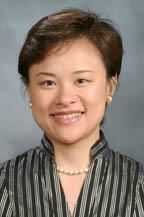
By Jia Ruan, MD, PhD

Ibrutinib is a first-in-class oral Bruton’s tyrosine kinase inhibitor that has shown promise in treating a variety of relapsed and refractory B-cell malignancies. At the 2013 meeting of the American Society of Clinical Oncology in Chicago, Dr. Anas Younes of the MD Anderson Cancer Center presented results from a recent phase 1b trial combining ibrutinib with standard doses of R-CHOP in patients with previously untreated CD20 positive NHL (NCT01569750).

A total of seventeen patients were enrolled, including those with subtypes of diffuse large B-cell lymphoma, mantle cell lymphoma, and follicular lymphoma. The recommended phase 2 dose of ibrutinib was established at 560 mg daily in combination with standard doses of R-CHOP given every 21 days.  The overall response rate of treatment was 100% with 7 complete and 3 partial responses in 10 evaluable patients. The most common adverse events were neutropenia (77%), thrombocytopenia (65%), vomiting (59%), anemia (53%), nausea (47%), fatigue (35%), headaches (29%), constipation (24%), diarrhea (24%), and dizziness (24%).

The study concluded that this novel combination of Ibrutinib and R-CHOP has an acceptable and expected safety profile.  An expansion cohort 560 mg ibrutinib is being opened to further explore the safety and efficacy of IR-CHOP in patients with newly diagnosed diffuse large B-cell lymphomas.

For a full listing of all current clinical trials underway in the Lymphoma Program, please click here.

ASCO 2013: Effectiveness of Entecavir and Lamivudine in Preventing Reactivation of Hepatitis B in HBsAg-Positive Patients with Untreated DLBCL

peter martin photo

By Peter Martin, MD

Patients with DLBCL and a history of hepatitis B are at increased risk from the reactivation of a viral infection following treatment with R-CHOP. Many guidelines recommend that patients at risk of hepatitis B reactivation receive anti-viral prophylaxis while receiving R-CHOP, but do not specify which drug should be used. At the recent annual meeting of the American Society of Clinical Oncology in Chicago, Dr. He Huang from Sun Yatsen University Cancer Center presented the results of a trial comparing two of the most commonly used drugs: entecavir and lamivudine.

Study subjects included patients receiving R-CHOP for previously untreated DLBCL and evidence of active infection (HBsAg-positive). Of the 121 HBsAg-positive patients, 61 were randomly assigned to entecavir and 60 to lamivudine. The primary endpoint was the incidence of HBV-related hepatitis; the secondary endpoint was chemotherapy disruption due to hepatitis.

The entecavir group had significantly lower rates of hepatitis, hepatitis B reactivation, and disruption of chemotherapy. The study concluded that for HBsAg-positive DLBCL patients receiving R-CHOP, entecavir was more effective in preventing hepatitis B reactivation, and should be considered the standard for primary preventive therapy in advanced stages of the disease.

Lenalidomide Approved for Mantle Cell Lymphoma Patients by FDA

Today, June 5 the FDA approved lenalidomide capsules for the treatment of patients with mantle cell lymphoma (MCL), who have experienced relapse or progression after receiving two prior therapies including bortezomib.

According to the FDA press release:

“The approval was based a single-arm, multicenter clinical trial enrolling 134 patients with mantle cell lymphoma who have relapsed after or were refractory to bortezomib or a bortezomib-containing regimen. All 134 patients received prior treatment with bortezomib and 60% were documented to have disease refractory to bortezomib therapy. Patients received a median of 4 prior therapies for MCL. The median age was 67 years, 81% were male, 96% were Caucasian, and 61% had MCL for at least 3 years.

The efficacy endpoints were overall response rate (ORR) and duration of response (DOR). The ORR was defined as the proportion of patients whose best response was complete response (CR), complete response unconfirmed (CRu), or partial response (PR). In the 133 patients who were evaluable for efficacy, the ORR was 26% (95% CI: 18.4, 33.9). CR or CRu was achieved by 9 patients (7%) and 25 patients (19%) achieved a PR. The median DOR for the 34 patients who achieved a CR, CRu, or PR was 16.6 months (95% CI: 7.7, 26.7).”

Here at the Weill Cornell Lymphoma Program we will endeavor to follow up with any further announcement regarding this new development.