New Clinical Trial: Phase 2 Study of Nivolumab in classical Hodgkin Lymphoma Subjects after Failure of Autologous Stem Cell Transplant

The Weill Cornell Lymphoma Program has recently opened a new clinical trial for men and women with classical Hodgkin Lymphoma (cHL) subjects after failure of autologous stem cell transplant (ASCT). The study sponsor is Bristol-Myers Squibb, and the principal investigator at Weill Cornell is Dr. Lisa Roth. For more information about the study, please call Amelyn Rodgriguez, RN at (212) 746-1362 or e-mail Amelyn at amr2017@med.cornell.edu.

Key Eligibility

  • Men and women age 18 and older
  • Cohort A: Subjects not exposed to brentuximab vedotin
    – Documented absence of complete response (CR) after 90 days from stem cell infusion for most recent ASCT; or
    – Documented relapsed disease (after CR) or disease progression (after Partial Response (PR) or Stable Disease (SD))
  • Cohort B: Subjects who failed treatment with brentuximab vedotin which was administered after failure of ASCT
    – Documented failure to achieve at least PR after the most recent treatment; or
    – Documented relapse disease (after CR) or disease progression (after PR or SD)
  • Detailed eligibility reviewed when you contact the study team

Study Details

This clinical trial is for men and women with classical Hodgkin Lymphoma who failed autologous stem cell transplant (ASCT).  Subjects never treated with brentuximab vedotin are in Cohort A, or may have had prior brentuximab vedotin treatment as a salvage therapy after failure of ASCT are in Cohort B. The study is evaluating an experimental drug called nivolumab.

Nivolumab is in clinical development for the treatment of subjects with solid tumors and hematological (blood) malignancies. Nivolumab is an antibody (a type of human protein) that is being tested to see if it will allow the body’s immune system to work against tumor cells.

The purposes of this research study is to assess treatment with nivolumab with hopes that treatment with nivolumab will lead to clinical benefit, as demonstrated by a clinically meaningful objective response rate, including durable responses with substantial magnitude of tumor burden reduction in the heavily treated cHL subjects.
Patient Experience at Weill Cornell Medical College Continued

Adam is a young man who was diagnosed with stage 4 Burkitt’s lymphoma and came to the Lymphoma Program at Weill Cornell Medical College for care.

Center for Lymphoma Announces the Formation of Adolescent and Young Adult Lymphoma Program

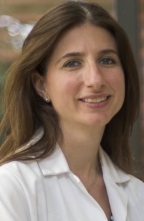
Lisa Roth, MD
Lisa Roth, MD

Recently the Center for Lymphoma announced the formation of the Adolescent and Young Adult (AYA) Lymphoma Program at Weill Cornell Medical College. The program is a collaborative effort between the Departments of Medicine and Pediatrics, and will be lead by Dr. Lisa Roth, a pediatric oncologist and new member of the Lymphoma Center.

Lymphoma is the most common malignancy in adolescents and young adults age 18-30y. While there has been remarkable progress in the treatment of children and older adults, improvements among adolescents and young adults have lagged behind. The reasons for this discrepancy are multifactorial, but include low enrollment in clinical trials, poor access to healthcare services, and a deficit in clinical and translational research in this area. The AYA Lymphoma Program seeks to advance the treatment of lymphoma in the AYA age group through the following missions:

1) Optimize medical care for AYA patients with lymphoma.

2) Provide psycho-social support tailored to AYA patients.

3) Lead clinical and translational studies aimed at improving outcomes in this age group.

Weill Cornell Medical College is in a unique position to treat AYA patients with lymphoma given the strengths of the Center for Lymphoma and the Division of Pediatric Oncology. Dr. Roth has been a Weill Cornell faculty member since joining the Department of Pediatrics in 2012. She is the Charles, Lillian, and Betty Neuwirth Clinical Scholar in Pediatric Hematology/Oncology and has been awarded fellowships from the Lymphoma Research Foundation and the Empire Clinical Research Investigator Program. Dr. Roth will work closely with a team of doctors, physician assistants, social workers, and researchers all with the common goal of improving outcomes for adolescents and young adults with lymphoma.