New Approach to Treating Aggressive B-cell Lymphomas

Leandro Cerchietti
Leandro Cerchietti, M.D.

In a study published in February 2016 in Blood, researchers from Leandro Cerchietti’s lab at Weill Cornell Medicine in collaboration with the University of Montreal identified a potential new strategy for the treatment of aggressive diffuse large B-cell lymphomas (DLBCL) called double and triple hit lymphomas.

What are double and triple hit lymphomas and why they are they so difficult to treat?

Double and triple hit lymphomas have chromosomal changes in two or three genes (MYC, BCL2, and/or BCL6) which encode for proteins that have a primary role in cell growth and contribute to the development of cancer. Chemotherapy does not work well to kill these types of lymphomas. Further, patients with double and triple hit lymphomas are often older and have difficulty tolerating aggressive chemotherapy. Therefore it is essential for new, targeted therapies to be developed that are less toxic for these patients.

What did researchers find?

The researchers found that the combination of an FDA-approved antiviral medication called ribavirin and a new targeted medication called an Hsp90 inhibitor work together to kill double and triple hit lymphomas in preclinical models. Ribavirin blocks the function of a protein called eIF4E. With the inhibition of Hsp90 and eIF4E, the proteins MYC, BCL2, and BCL6 are less effective in promoting growth of lymphoma cells. The addition of ribavirin also may prevent developing resistance to treatment with the Hsp90 inhibitor.

What do these findings mean for patients? 

The lymphoma group at Weill Cornell Medicine is developing a phase I clinical trial to determine the optimal dose of an Hsp90 inhibitor and ribavirin for patients with aggressive DLBCLs that do not respond or return after initial therapy. We will evaluate tumor and blood samples before and after treatment with this combination to confirm that it negatively impacts MYC, BCL2, and BCL6 as expected. This is a promising treatment strategy in these patients and expected to be much better tolerated than chemotherapy.

Stay tuned for future updates regarding treatments for double and triple hit lymphomas at Weill Cornell.
Dr. Peter Martin Discusses Transplantation as a Treatment Option for Patients with Mantle Cell Lymphoma

In an interview with the Lymphoma Research Foundation (LRF), Dr. Peter Martin discusses mantle cell lymphoma (MCL), treatment options including transplantation, and what advice he would give to people who are newly diagnosed with MCL.

Debate exists among researchers on whether or when stem cell transplantation should be used in the treatment of MCL. Why do you think this is so?

“Some people feel that stem cell transplantation is likely to make a patient live longer and others feel that a long remission duration following a stem cell transplant means there are fewer lymphoma-related side effects, and everybody likes that idea.

On the other hand, autologous stem cell transplantation doesn’t cure MCL. There are limited data that suggest that it may allow people to live longer, and many patients may experience significant side effects but not have a very durable remission and a longer life. So that’s a very subjective sort of decision based on less than perfect evidence.

It’s our job as lymphoma doctors to help patients understand the potential benefits and the potential negative side effects to all treatment options so they can select a treatment that is best for them. There’s no right or wrong treatment option in many cases and it’s a matter of choosing the option that makes the most sense for that person at that point in time.”

The full interview can be read on the LRF’s website.

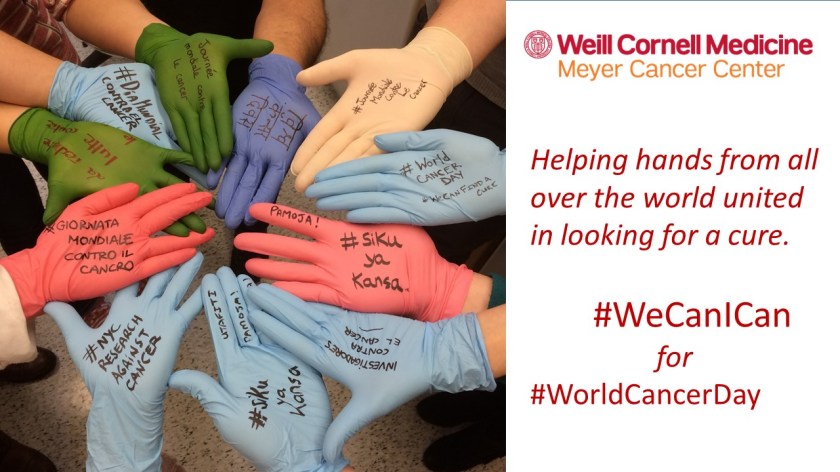
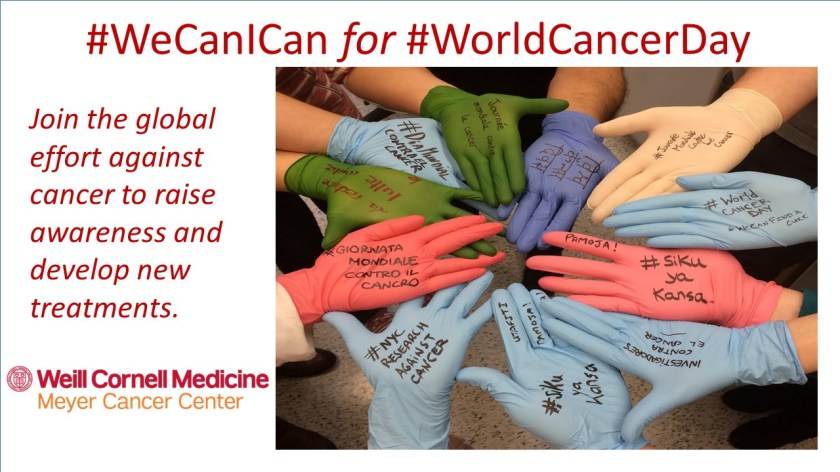
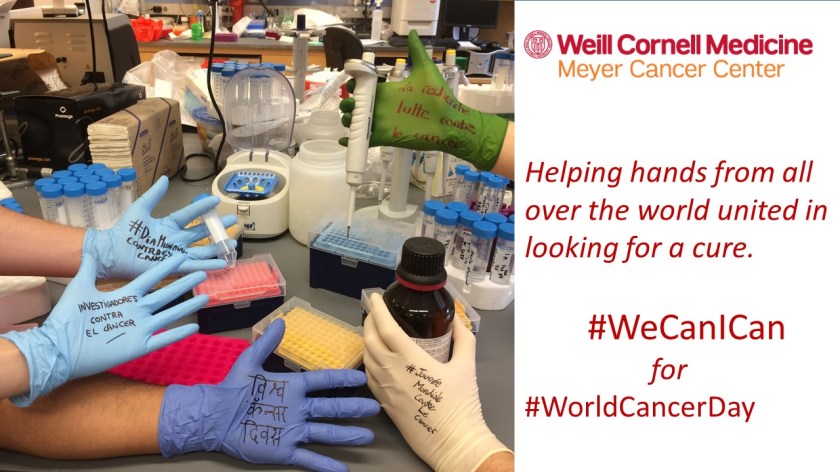
Raising Awareness for World Cancer Day

February 4th is #WorldCancerDay a day dedicated to raising awareness of all forms of cancer as well as encouraging its prevention, detection, and treatment. Cancer knows no borders and in the Lymphoma Program at Weill Cornell Medicine our researchers come from all over the world to help find new advances in the treatment of lymphoma.

You can look to this blog for continued updates about the latest information in lymphoma research and clinical treatment at Weill Cornell and the wider world.

For more information about our clinical practice, you can visit our practice’s new website.


Slide1

Slide3

Slide2