Classical Hodgkin Lymphoma Genome Sequenced by Research Team

In a recent study first published online, then as a plenary paper in the February 12 issue of Blood an inter-institutional team of researchers sequenced the genome of classical Hodgkin lymphoma (cHL). This sequencing allowed researchers to study the changes in proteins in individual patients, which could potentially lead to the development of new therapies targeting the cells affected by cHL. Their findings are especially notable as,

“Now we have a better idea of what mutations there are, and going forward therapies can be adapted to specific patient populations according to their genomic composition,” said senior author Dr. Ethel Cesarman, a professor of pathology and laboratory medicine at Weill Cornell Medical College.

Although scientists have sequenced the genomes of many other diseases, the cHL genome has remained elusive due to the difficulty of isolating Reed-Sternberg cells, which usually comprise less than 1 percent of a total cHL tumor. The team employed a technique that separates larger cells and looks at the proteins on their surface, called fluorescence-activated cell sorting, to successfully isolate the Reed-Sternberg cells and sequence the cancer genome, said senior author Dr. Mikhail Roshal, an assistant member in the Department of Pathology at Memorial Sloan Kettering Cancer Center.

These findings could potentially lead to more personalized treatment options for patients with cHL. They exemplify the bench to bedside approach taken by the Lymphoma Program and Meyer Cancer Center. Please look to this space for further updates about lymphoma news and clinical trials.
John P. Leonard, Lymphoma Program Director — Joins Twitter

Dr. John P. Leonard, the Director of the Lymphoma Program at Weill Cornell Medical College recently joined Twitter. You can  follow him for some of the latest informed opinions on lymphoma treatment, research, and the latest developments at Weill Cornell Medical College.

Center for Lymphoma Announces the Formation of Adolescent and Young Adult Lymphoma Program

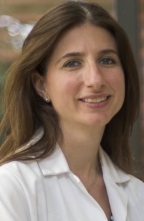
Lisa Roth, MD
Lisa Roth, MD

Recently the Center for Lymphoma announced the formation of the Adolescent and Young Adult (AYA) Lymphoma Program at Weill Cornell Medical College. The program is a collaborative effort between the Departments of Medicine and Pediatrics, and will be lead by Dr. Lisa Roth, a pediatric oncologist and new member of the Lymphoma Center.

Lymphoma is the most common malignancy in adolescents and young adults age 18-30y. While there has been remarkable progress in the treatment of children and older adults, improvements among adolescents and young adults have lagged behind. The reasons for this discrepancy are multifactorial, but include low enrollment in clinical trials, poor access to healthcare services, and a deficit in clinical and translational research in this area. The AYA Lymphoma Program seeks to advance the treatment of lymphoma in the AYA age group through the following missions:

1) Optimize medical care for AYA patients with lymphoma.

2) Provide psycho-social support tailored to AYA patients.

3) Lead clinical and translational studies aimed at improving outcomes in this age group.

Weill Cornell Medical College is in a unique position to treat AYA patients with lymphoma given the strengths of the Center for Lymphoma and the Division of Pediatric Oncology. Dr. Roth has been a Weill Cornell faculty member since joining the Department of Pediatrics in 2012. She is the Charles, Lillian, and Betty Neuwirth Clinical Scholar in Pediatric Hematology/Oncology and has been awarded fellowships from the Lymphoma Research Foundation and the Empire Clinical Research Investigator Program. Dr. Roth will work closely with a team of doctors, physician assistants, social workers, and researchers all with the common goal of improving outcomes for adolescents and young adults with lymphoma.